|
Hampstead Rediscovered: 1 The Heath |
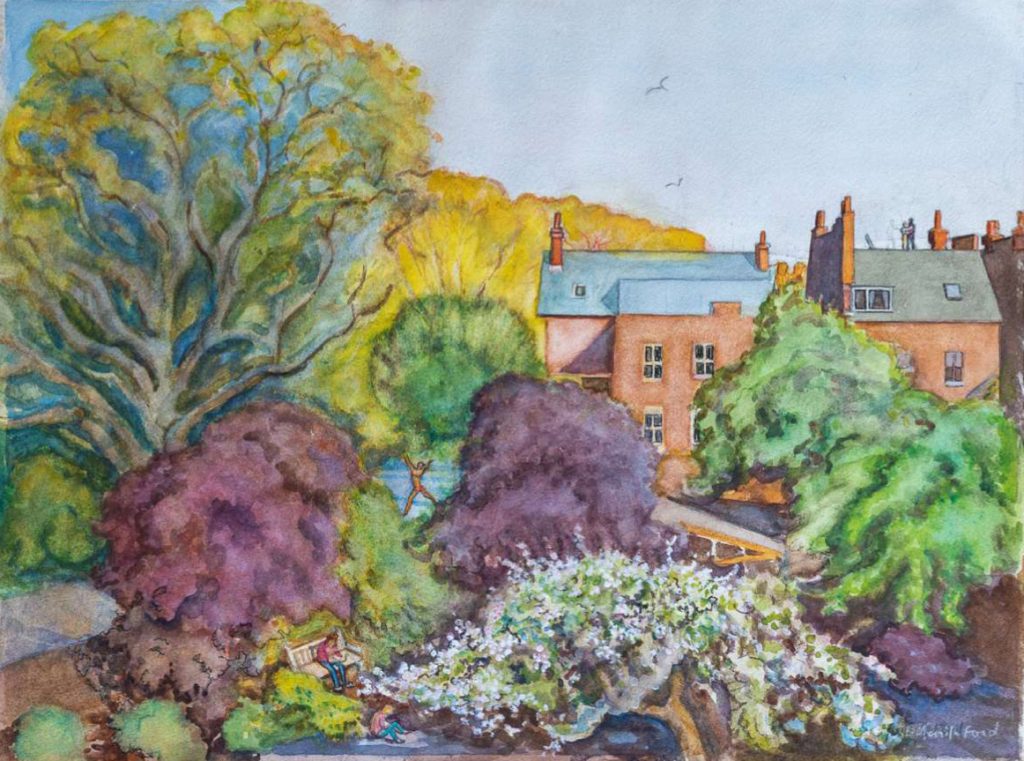
Burgh House 17th November – 18th December 2011 Admission Free In the first of a series of exhibitions by the Society a treasure trove of local paintings, drawings, prints and photographs have been brought out of the local archives and put on display at Burgh House. Come and see how much the Heath has changed, in particular how much more open the Heath used to be before the tree planting of the nineteenth century and the end of animal grazing in the mid-twentieth century. Compare the views of yesteryear with modern photographs of the same places today. Wonder at the extensive sand and gravel extraction that took place when Sir Thomas Maryon Wilson, the Lord of the Manor of Hampstead, granted Midland Railway rights of extraction in the 1860s. Marvel at the ‘wild’ beauty of the Heath captured by artists from another era yet expressing the same love of the Heath that captures our hearts today. Exhibition kindly sponsored by Knight Frank |
|
Annual Report for the year 2010 - 2011 |
|
by Tony Hillier, Chairman Bombastic Xanadu Defeated  How Big is our Society?
In preparing this year’s annual report I have been puzzling how, if at all, we fit into the Big Society debate about the right and wrong mix of ways to contribute to community well-being. The answer is that we don’t quite fit any of the stereotypes. The unspoken emphasis is that the debate is primarily about the well-being of people. The Heath and Hampstead Society’s concerns are for the protection and improvement of local amenities and by this we mean spaces, buildings, and abstract ideas about how best to enjoy them. While amenity is not excluded from the debate, we haven’t yet followed the example from the Royal Borough of Windsor and Maidenhead, which apparently now looks to platoons of residents to pick up street litter. |
|
Read more...
|
|
|
Three- century-old view destroyed |
|
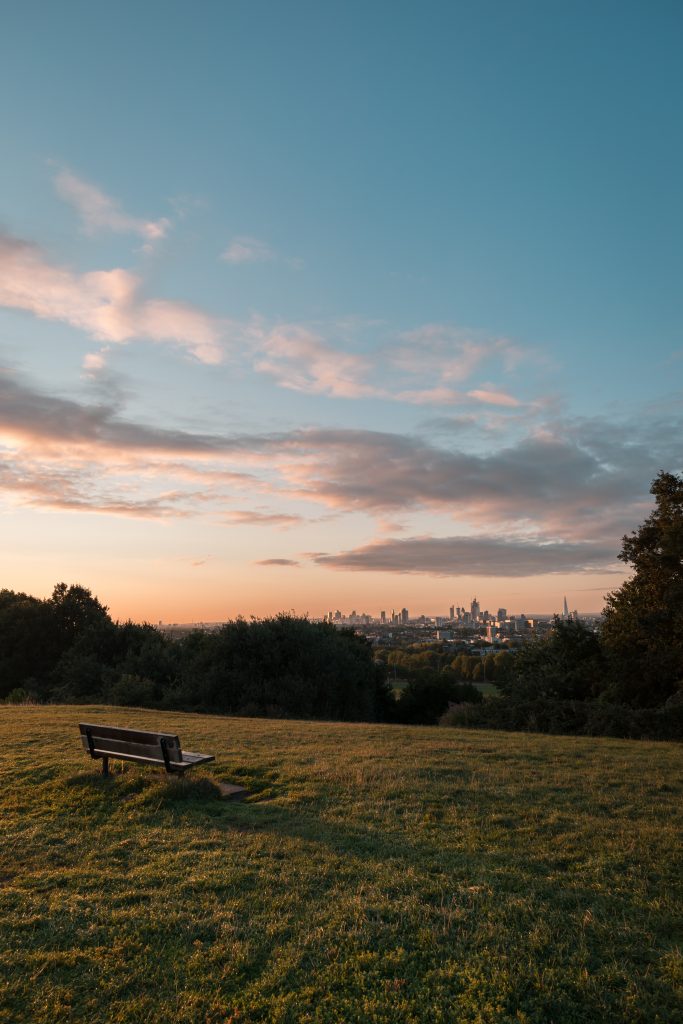
The Shard, rising on London Bridge Street, has dramatically compromised views of London's greatest landmark, St Paul's Cathedral, from Parliament Hill. It is one of six views supposedly protected by statute but the building was enthusiastically supported by Ken Livingstone when he was Mayor. The excuse for introducing tall buildings in the centre of London was the proviso that they are sited at major transport nodes. The then government was warned by English Heritage about the “unequivocal, major and detrimental impact” it would have on protected views and intrusion on two World Heritage sites, the Tower of London and Palace of Westminster, but it was approved by John Prescott after a public inquiry. Martin Stancliffe, Surveyor to the Fabric of St Paul's Cathedral, said: “We raised our concerns about the effect of the scale of the Shard on St Paul's in this iconic view at the public inquiry but our objection was over-ruled.” With several more towers to come, Londoners will soon see the extent of the betrayal by the politicians tasked with preserving our heritage. As our patron Sir Simon Jenkins wrote last year: “The rules governing city views and open spaces are meant to apply to everyone, not just those who cannot afford fancy architects and lawyers. Allow any exception and a planning rule is defunct. One blot spoils the picture. A new rule is thus established, that there is no rule”. The Shard has indeed established a new rule which will set the precedent for further breaches until there is nothing left. A cityscape held dear by millions is being destroyed. |
|
|